Environmental literacy
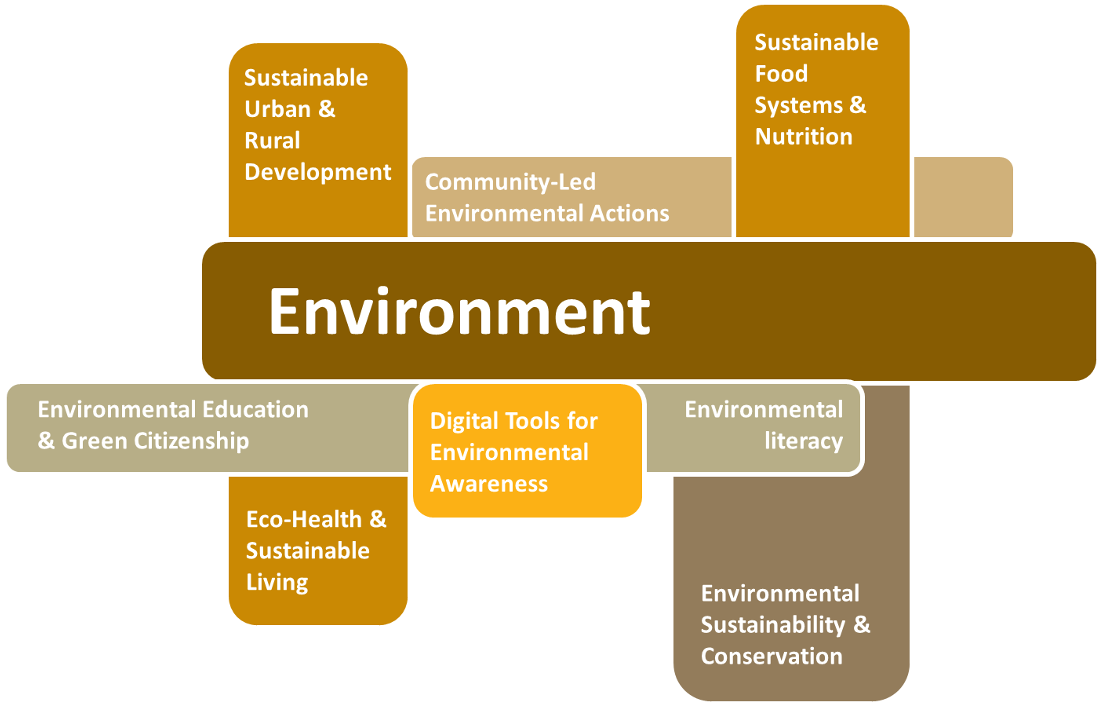
Environmental literacy refers to an individual's capacity to understand, interpret, and respond to environmental information, challenges, and changes affecting ecological systems and human wellbeing. Environmental literacy projects seek to increase people's knowledge of environmental issues and sustainability practices, allowing them to make informed decisions, participate in conservation efforts, and engage in environmentally responsible behaviors that protect and preserve natural resources for current and future generations.
Environmental Sustainability & Conservation
Projects aimed at encouraging environmental stewardship, sustainable development approaches, and conservation activities. These programs seek to address climate change, protect natural resources, and promote a long-term partnership between communities and their ecosystems.
Sustainable Transportation & Urban Planning
Projects that encourage sustainable mobility and careful urban planning in order to increase livability and reduce environmental impact. This could include bike-sharing schemes, pedestrian-friendly infrastructure, and green space development.
Sustainable Urban & Rural Development
Projects focused on promoting sustainable practices in urban and rural settings to improve quality of life and environmental health.
Environmental Education & Green Citizenship
Programs that promote environmental awareness, sustainable behaviors, and civic engagement in ecological issues. Projects may include nature-based learning and community conservation initiatives.
Community-Led Environmental Actions
Grassroots efforts that empower local communities to identify, address, and monitor environmental challenges in their areas. Projects may include citizen science initiatives, local conservation programs, and sustainable resource management activities.
Eco-Health & Sustainable Living
Approaches that connect human health with environmental wellbeing through sustainable lifestyle practices. Projects may include healthy habitat design, pollution reduction strategies, and programs promoting ecological wellness in daily life.
Sustainable Food Systems & Nutrition
Networks that link environmentally responsible food production with improved nutritional outcomes. Projects may include regenerative agriculture practices, food waste reduction programs, and community-based nutrition education initiatives.
Digital Tools for Environmental Awareness
Technologies that leverage digital platforms to enhance public understanding and monitoring of environmental issues. Projects may include environmental data visualization apps, citizen science tools, and interactive educational resources about conservation.